
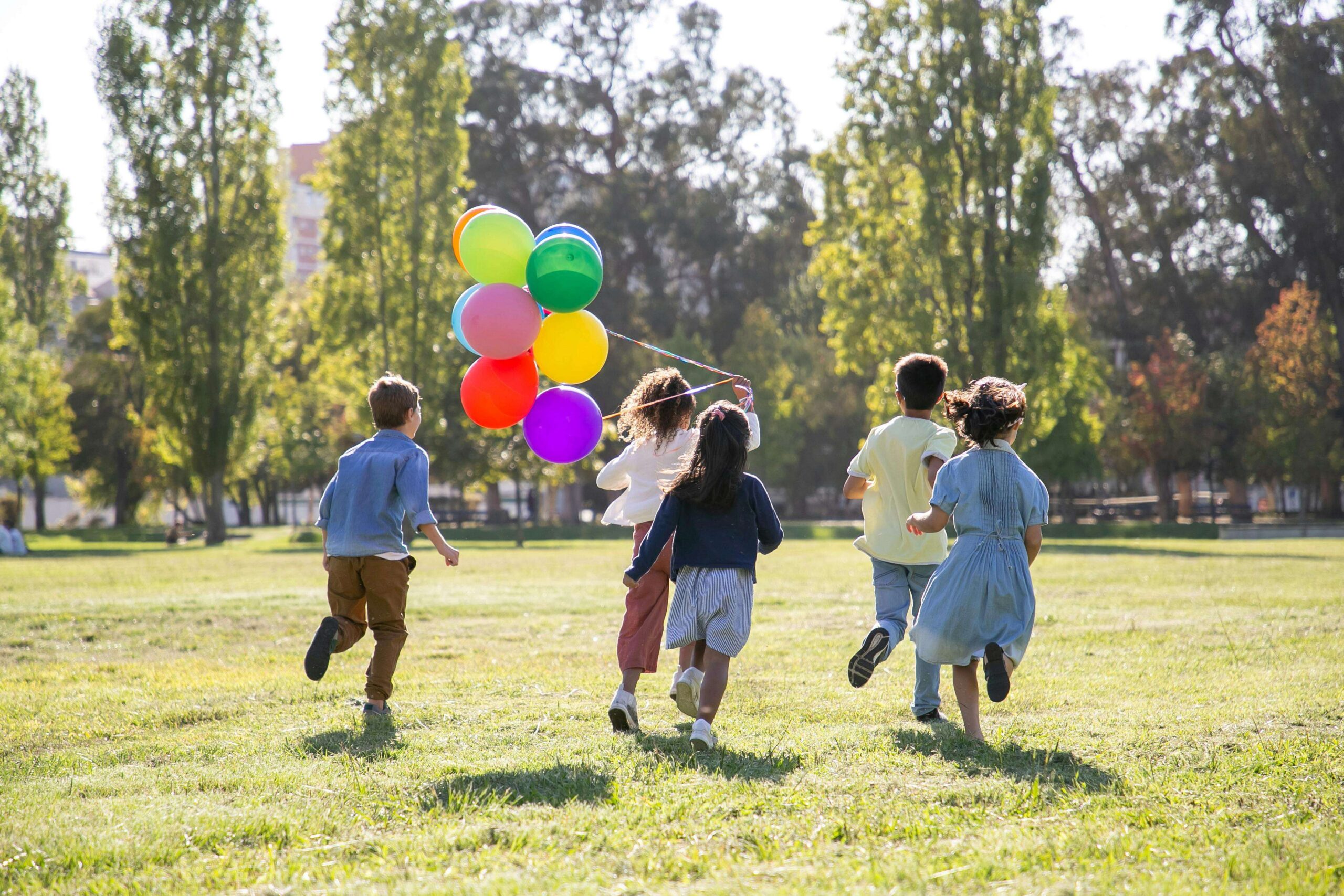
The International Day of Friendship (July 30) inspired me to write this post, as the day serves as a powerful reminder of the role human connection plays in fostering understanding and harmony across cultures. For multilingual families, friendship takes on an even deeper dimension—language becomes the bridge that helps children connect, share, and feel a sense of belonging. Friendships don’t just transcend language barriers; they often become the very reason children are motivated to learn and actively use their languages.
Friendship as a Natural Bridge Between Cultures
Children are naturally curious and open to forming friendships, even when they don’t share the same mother tongue. Multilingual children, in particular, have an advantage—they are accustomed to navigating different languages and cultures, which makes it easier for them to connect across linguistic boundaries.
Take my daughter, for example. She is currently attending a parkour camp in Finland, where she’s not only making new Finnish-speaking friends but also learning an entirely new set of vocabulary specific to the camp’s activities. In this case, friendship and peer interaction have become the driving force behind learning new words and using them with confidence.
How Friendships Motivate Language Use
For children, the emotional connection of friendship can be a far stronger motivator than formal lessons or parental encouragement. Kids often feel a natural desire to communicate with friends they care about, and this desire can push them to practice languages they might otherwise shy away from. A child who resists speaking the heritage language at home might suddenly start using it willingly if a friend shares that language. Friendship transforms language from something abstract into something personal and meaningful—the “language of the heart.”
Supporting Multilingual Friendships as Parents
Parents can play a valuable role in fostering the kinds of friendships that encourage language use:
- Organize playdates or online calls with children who speak the same heritage language.
- Encourage participation in community or cultural events where multiple languages are spoken.
- Provide opportunities for games, sports, or creative activities in the target language.
Conclusion: Let Friendship Lead the Way
Friendship is one of the strongest forces for learning and growth in childhood. For multilingual children, friends are often the spark that ignites both confidence and curiosity to use their languages more fully. On this International Day of Friendship, let’s celebrate those bonds that cross linguistic and cultural borders—because when children build friendships, they aren’t just learning words; they’re learning how to connect with the world.
Leave a Reply