
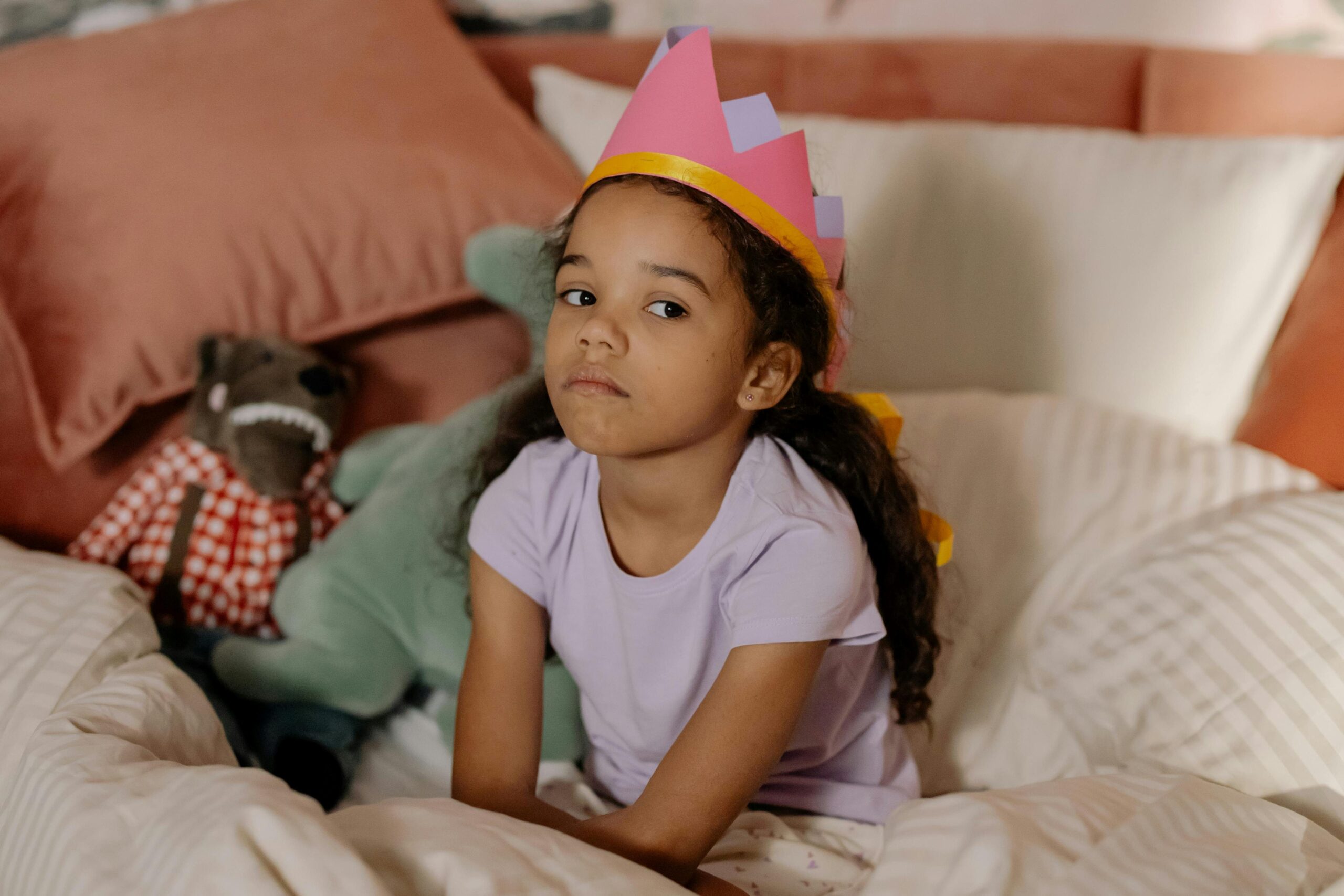
As the long summer holidays come to an end, many expatriate families find themselves back in the rhythm of school runs, homework, and work routines. But alongside these familiar transitions, some parents may notice surprising changes in their children’s behavior: sudden temper tantrums, mood swings, unusual fatigue, or even odd reactions that don’t seem typical of their child’s usual temperament.
What’s going on?
The Hidden Challenge of Switching Languages
For multilingual families, summer holidays often mean immersion in the minority or heritage language—perhaps spending weeks or months with grandparents, relatives, and friends in the home country. Children thrive in that environment, soaking up words, phrases, and cultural expressions.
Then, suddenly, the end of August arrives, and with it a shift back into the school environment—where the majority language dominates daily routines. That switch can feel like flipping a cognitive and emotional switch too, and the adjustment is not always smooth.
A Personal Story
When my daughter was just two years old, we spent two months in Finland during the summer. Before the trip, she was mostly English-dominant. But by the time we returned, she had become “Finnish-only”. Back in the UAE, she had to re-learn her English all over again.
The surprising part wasn’t just the language shift. It was the behavioral storm that followed: bursts of anger, clinginess, fatigue, and frustration. For her, the rapid change in language and environment was overwhelming—and it took weeks for things to settle back into balance.
Why Kids React This Way
Unlike adults, children don’t yet have the emotional regulation skills to smoothly manage big transitions. Switching between languages and cultural environments demands a lot of cognitive effort. This effort often shows up not in words but in behavior: crankiness, sudden outbursts, resistance to routines, or even temporary regression in one language.
It’s not that something is “wrong” with your child—it’s simply their way of expressing the strain of adapting.
What Parents Can Do
The most important response is patience and empathy. Your child isn’t being “difficult” on purpose; they are navigating a complex adjustment that takes time. Some gentle strategies include:
- Acknowledge the challenge: Let your child know it’s okay to feel tired or frustrated.
- Maintain routines: Familiar patterns (bedtimes, storytimes, family rituals) provide stability.
- Give space for both languages: Allow natural use of the minority language at home while supporting the school language without pressure.
- Stay calm and connected: Emotional safety is what children need most when their world feels unsettled.
A Phase That Passes
The good news is that this adjustment is temporary. With your support, children quickly regain their balance—linguistically, emotionally, and socially. What feels like a storm today often gives way to clear skies tomorrow.
So if your child seems “not themselves” after the holidays, remember: it’s not just about school starting again. It’s about navigating the fascinating, sometimes bumpy, journey of growing up multilingual in a world of shifting languages and cultures.
If you are looking for support and resources for multilingual families, there are fantastic tools available—such as videos, guidebooks, and practical tips—that you can access through our Bilingual Family website https://bilingualfamily.eu/resources-for-parents/
Leave a Reply